


Our Work

Planting
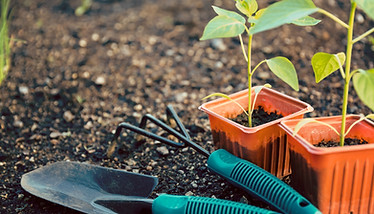
Restoring a disturbed habitat begins with the crucial step of reintroducing native plants.
This not only helps to revitalize the ecosystem but also accelerates the overall restoration process. By focusing on native flora we can strengthen the habitat promote a healthier, more balanced environment.
.png)
Trash pick up
Trash in a habitat poses numerous dangers, affecting wildlife, plants, and human health.
We collect trash and ensure it is disposed of responsibly helping to restore these environments to their
natural beauty.
Water data
Aquatic habitats are just as vital as the ecosystems on land, and maintaining their health requires careful, consistent monitoring. That’s why we diligently document water‑testing data, tracking changes in flow, clarity, and overall quality.
By keeping a close eye on these conditions, we help ensure waterways remain stable, healthy, and capable of supporting the diverse life that depends on them.
.png)
.png)
Wildlife documentation
Wildlife, both on land and in water, plays a crucial role in maintaining the health of our ecosystems.
This is why we meticulously document species and monitor populations through programs like our insect collection. By doing so, we contribute to a deeper understanding of biodiversity and its importance.